

Main Navigation
Pathways to medical imaging
See what others can’t - explore your career options with South Australia Medical Imaging.
Play a vital role in shaping patient care.
What is medical Imaging? 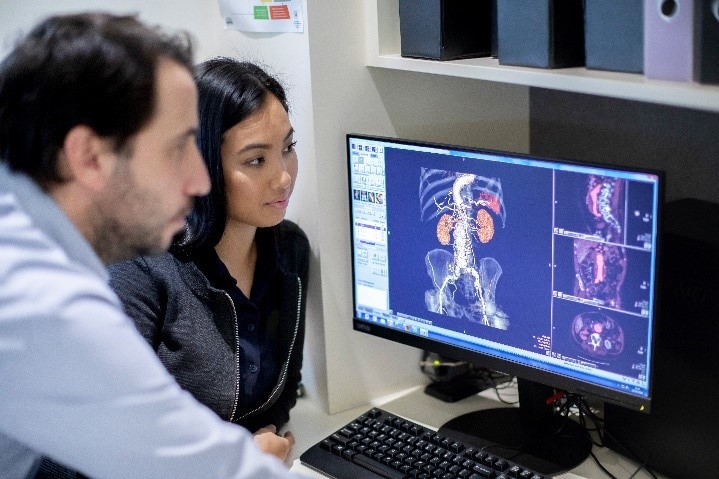
Medical imaging is a non-invasive way of creating detailed images of the inside of the human body for clinical analysis, medical intervention, and monitoring. These images help clinicians diagnose, treat and monitor a wide range of medical conditions.
Common types of medical imaging include:
- X-ray
- Computed Tomography (CT)
- Magnetic Resonance Imaging (MRI)
- Ultrasound
- Nuclear Medicine
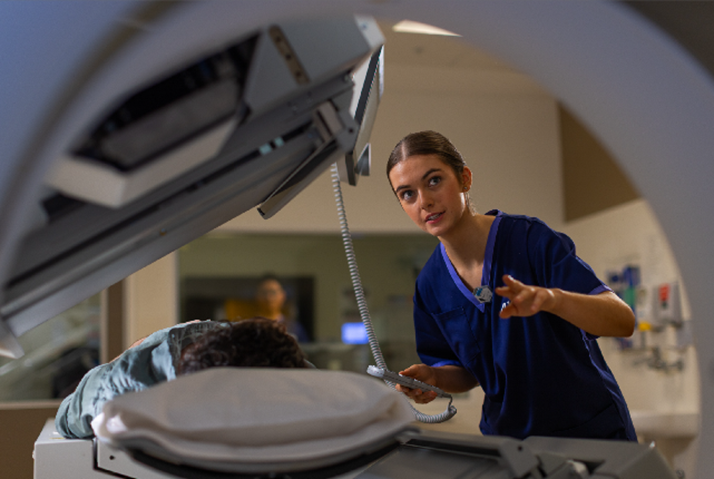
Why choose a career in medical imaging?
- Make a real impact - Be a critical part of the patient journey, helping diagnose and guide treatment decisions integral to patient journey.
- High demand and job security - Skilled imaging professionals are needed, and strong job prospects are expected
- Work with cutting-edge technology - Use advanced imaging equipment and be part of an evolving field
- Competitive Salary - Enjoy strong starting salaries and clear pathways for career progression
- Continuous learning - Ongoing training and development
Who is South Australia Medical Imaging
With an amazing team of more than 1,300 multidisciplinary staff performing over 740,000 examinations a year across six metropolitan and four country hospitals, South Australia medical Imaging (SAMI) is Australia's largest public medical imaging provider dedicated to delivering excellence in medical imaging and therapeutics.

Career opportunities at SAMI
We offer a wide range of rewarding career pathways, including:
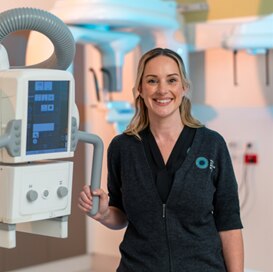
- Radiographer - A radiographer uses a range of advanced equipment such as x-ray, CT, MRI, angiography and mammography machines to produce diagnostic medical images. These images are used by clinicians to look after their patients. They apply their knowledge of anatomy, physiology, pathology and radiation physics to support patient-centred care.
Pathway: Bachelor of Medical Radiation Science (Diagnostic Radiography)
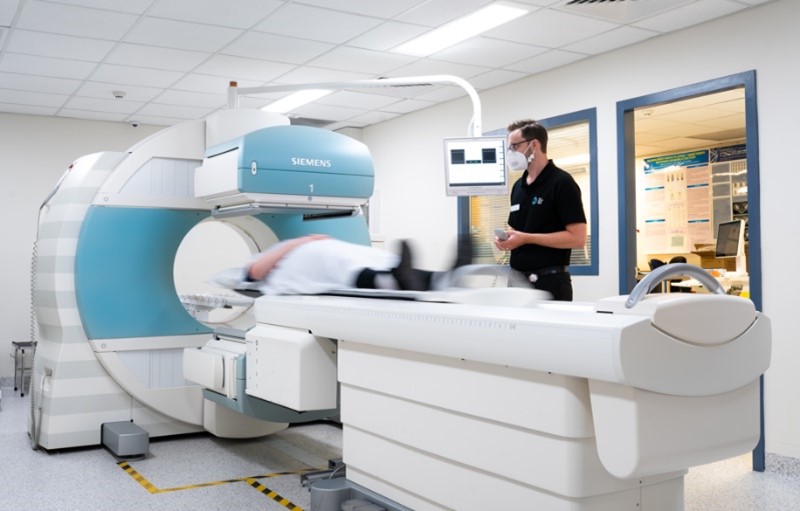
- Nuclear Medicine Technologist - A nuclear medicine technologist prepares and administers radiopharmaceuticals for diagnostic imaging and therapy. Images are acquired using state-of-the-art PET and SPECT cameras which show how organs and tissues function at a molecular level. A knowledge of anatomy, physiology, pathology and radiation physics is applied, to support patient-centred care.
Pathway: Bachelor of Medical Radiation Science (Nuclear Medicine)
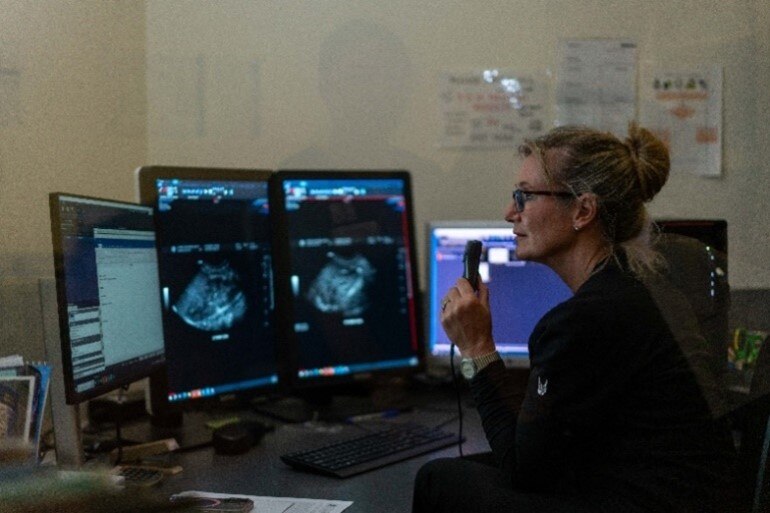
- Sonographer - A sonographer uses ultrasound imaging to perform a range of examinations from obstetric imaging to monitor pregnancy, to vascular, musculoskeletal, abdominal and vascular studies, capturing real-time images that help assess, diagnose and inform clinical decisions. Sonographers apply advanced knowledge of anatomy, physiology and pathology to obtain high-quality images.
Pathway: Post-graduate Diploma in Medical Sonography
- Nurses - SAMI’s dedicated and highly trained team of nurses, deliver hands-on patient care and support throughout each patient’s medical imaging journey and assist in imaging-guided procedures, with opportunities for both Registered and Enrolled nurses.
Pathway: Bachelor of Nursing (Registered Nurse) or Diploma of Nursing (Enrolled Nurse)
- Medical Physicist - A medical physicist ensures the safe and accurate performance of medical imaging equipment, appropriate radiation safety practices, and advises and monitors staff and patient radiation safety, adhering to appropriate legislation and guidelines. The Medical Physicist team apply an advanced knowledge of physics to undertake these tasks and to optimise SAMI’s delivery of imaging services.
Pathway: Bachelor in Physics or Engineering then post-graduate in research and specialist accredited training in Medical Physics.
- Radiochemists and Radiopharmacist - help in the design, production and preparation of radioactive compounds used in cutting-edge nuclear medicine imaging and targeted therapies, ensuring they are safe, effective and ready for clinical use.
Pathway: Bachelor in Chemistry or Pharmacy then post-graduate in research and specialist accredited training in Radiopharmaceutical Science.
- Administration and support roles - These roles are the backbone of SAMI, managing patient flow, scheduling, records, communication and logistics to keep complex clinical environments running smoothly.
-
Radiologist and Nuclear Medicine Specialist - The Radiologists and Nuclear Medicine Specialist interpret medical imaging to diagnose and report complex findings, which are used to guide critical treatment decisions. They also undertake imaging-guided procedures such Radiologists performing stent insertions and embolisation to treat bleeds and strokes or Nuclear Medicine Specialists administering radioactive therapies.
Pathway: Medical Degree and then post-graduate specialist training in Radiology and / or Nuclear Medicine
For more information about a career with SAMI visit our careers page.
What’s next?
Require more information on pathways for Radiography, Sonography and Nuclear Medicine Technologists? Please visit the Adelaide University website for more information on the Bachelor of Medical Radiation Science (Honours) majoring in Medical Imaging.
Talk to your school student advisory for pathways to medicine, nursing and administration.